

TRUSTED IN SYDNEY
Small Appliance Repairs Sydney.
Expert workshop-based repairs for your benchtop appliances. From coffee machines to vacuum cleaners, we restore performance with precision.

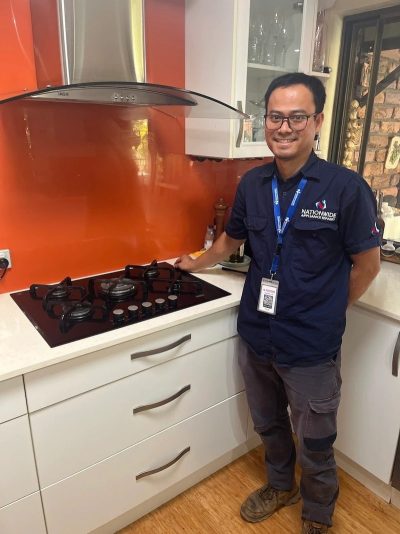
Workshop-Based Small Appliance Repairs for Sydney Homes and Businesses
Sydney is hard on appliances in ways most people do not expect. When a coffee machine stops working before the morning service, a coffee grinder seizes up mid-rush, or a vacuum cuts out without warning, getting it sorted quickly is not optional.
For households in Surry Hills and Newtown, and for cafes and commercial kitchens pushing through back-to-back covers in Bondi and Parramatta, when an appliance goes down, everything else has to work around it. What makes it harder is that Sydney’s coastal humidity, salt air, and the heat that builds up in inner-city apartments with limited ventilation all work quietly on appliance internals over time.
By the time something stops working, the environment has usually been doing its work for months.
That is where we come in. Quality Appliance Repairs runs a dedicated workshop for small and benchtop appliances throughout Metro Sydney, handling everything from espresso machines and food processors to vacuum cleaners, toasters, blenders, and microwaves. Our in-house-trained and licensed technicians look after both home and commercial customers, and regularly service brands including Fisher & Paykel, Bosch, Grand Cru, and many others.
The faults coming through our Sydney workshop most regularly include:
- Coffee machines losing pressure or behaving inconsistently.
- Vacuum cleaners with persistent suction loss past the filter.
- Stand mixer motors struggling or cutting out on heavy loads.
- Microwaves running but not heating or cooking unevenly.
- Blenders leaking from the base or losing blade performance.
- Controls, switches, and buttons becoming intermittent or unresponsive.
Because small appliances need to be properly opened up and tested to get an accurate read on what is actually wrong, all repairs go through our dedicated workshop. If drop-off is not convenient, we can arrange a pick-up from your property.
Either way, a clear quote is provided before any repair begins. Give our retail or business support team a call, and we can work out the best option for you.
Common Small Appliance Issues and What Our Sydney Technicians Are Finding
Sydney puts appliances through more than most people factor in when they buy them. The coastal conditions, the heat that builds up in apartment kitchens, and the pace of daily use in a city this busy all take their toll quietly over time. Here is what our technicians are finding in the workshop regularly in 2026.

Sydney runs on coffee, and the machines behind that do not get much rest. In cafes running back-to-back service from early morning through late afternoon, commercial espresso machines are being pushed harder and longer than they were designed for, with insufficient downtime between services. What comes through our workshop most often from these setups are machines that have lost pressure gradually, started pulling inconsistent shots, or sprung small leaks that the owner put down to the machine just needing a clean
A good example of this was a Jura S8 that came through recently. Water was leaking from the back of the machine and the customer had no idea why. Turned out to be a faulty Y output valve, parts were in stock and it was done in a single session. Another one around the same time was a DeLonghi that had been grinding inconsistently for weeks. The owner was convinced the grinder had worn out. When our senior technician opened it up, it was a blocked grinding spout, a full disassembly and service, and it was back to normal on the same visit.
The other thing Sydney’s coastal environment does is accelerate wear on internal seals and valves. Humidity gets into the machine over time and breaks down components that would otherwise last years longer in a drier climate. If your machine has been off its game, early assessment usually means a straightforward service rather than a more involved repair down the track. For more details, refer to our guide on our step-by-step descaling guide.

A stand mixer in a small inner-city kitchen runs under very different conditions than one in a spacious suburban home. Limited bench space, poor ventilation, and restricted airflow mean the motor is dealing with ambient heat that larger or better-ventilated spaces simply do not have. That extra heat load adds up over time, particularly for home bakers running their mixers hard through dense doughs or extended mixing sessions.
What we find on the bench is usually drive component wear or motor brush deterioration that has been developing over months of use in these conditions. A quality stand mixer that has been sitting in a warm inner-city kitchen and running regular long batches will wear differently from the same machine in a cooler, well-ventilated space. When it comes in, our licensed technicians go through the full drive assembly, replace what has worn, and put it through load testing before it goes back to you. If yours has been struggling or making sounds it did not use to make, getting it looked at before the motor deteriorates further is almost always the better call.

A microwave that runs through its full cycle but leaves food barely warm is one of those faults that is easy to put up with longer than you should. The appliance still powers on, still makes all the right sounds, so it does not feel urgent. But by the time most people bring it in, the fault has usually been getting worse for weeks.
A Panasonic microwave that came through our workshop recently tells that story well. The customer had been dealing with loud noise and sparking during use and was not sure whether it was even worth repairing. When our technician opened it up, there was a burnt magnetron, damaged mica, and a faulty globe light. All three components were replaced from stock in a single session and the microwave came back fully working. The customer nearly replaced it. They did not need to.
Sydney’s coastal humidity also plays a role over time, particularly in homes close to the water, where moisture gradually affects internal electronics in ways that are not always visible until something stops working. Our technicians assess the full internal condition of the unit and test it properly before it comes back to you. For more information see our guide on microwave not heating and what might be causing the issue.

Sydney’s older housing stock is genuinely tough on vacuum cleaners. Terrace homes and heritage apartment blocks hold onto dust, fine particles, and debris in ways that newer builds simply do not. Timber floors with gaps, older carpet that sheds, and heritage plasterwork all contribute to a consistent load on the vacuum that adds up over months of regular use. By the time suction starts dropping off, the machine has usually been working harder than it should have been for a while.
What our technicians regularly find is a blockage sitting further down the hose or duct assembly that a basic clean at home would not reach, or early motor wear from the motor running hot under restricted airflow for longer than it should have been. Salt air from the coast also settles on internal motor components over time and contributes to wear that is not visible from the outside until something actually stops working.
If your vacuum has been underperforming even after you have cleaned it out properly, getting it into the workshop sooner rather than later is almost always the better move. Motor damage caught early is a straightforward repair. Left for months, it becomes a much bigger job.
Blenders in busy households and commercial kitchens get put through a lot. Daily smoothies, protein shakes, frozen fruit, and ice are a regular part of how a lot of people start their day, and juice bars and cafes push their commercial blenders through even more than that. That kind of consistent high-load use wears blades and seals faster than most people expect, and the fault usually shows up the same way every time.
Leaking from the base of the jug is the most common thing we see with blenders. Most of the time, it is just the seal that has gone, nothing more serious than that. The problem is that a blender running with a compromised seal exposes the motor to moisture and strain it was never designed to handle, and in a coastal city with humid conditions that combination accelerates wear faster than it would in a drier climate.
Some minor blade issues can be sorted at home but if the seal has worn through or the blade assembly needs replacing, it really needs to come apart properly to be done right. When it comes into the workshop, our technicians go through the full assembly, check the motor for any load or moisture-related wear, and test it across multiple speeds before it goes back to you. If it has been leaking or just not performing the way it used to, it is worth getting it looked at before the motor gets pulled into the problem as well.
“If one of your small appliances has started acting up, do not wait until it stops working. Call our Retail support team and we can help arrange a workshop assessment for you.“
Should You Repair or Replace a Small Appliance?
Appliances in Sydney tend to show faults earlier than people expect, and when something stops working the instinct is often to replace it rather than get it looked at. Most of the time that instinct is wrong.
Nine out of ten small appliances that come through our workshop are worth repairing.
The fault is usually one component, not the whole machine. Here is a guide to help you decide:
| Appliance Fault | Repair or Replace | Reason |
| Coffee machine losing pressure, leaking, or pulling inconsistent shots | REPAIR | Almost always a worn seal, valve issue, or mineral build-up from heavy use. These are workshop repairs. A quality espresso machine is almost always worth servicing over replacing. |
| Microwave running but not heating or cooking unevenly | REPAIR/REPLACE | A single component failure is almost always cheaper to fix than buying new. If multiple components have gone together, the repair cost starts to shift and we will tell you honestly after the assessment. |
| Stand mixer struggling on heavy loads or stopped starting | REPAIR | Drive components and motor brushes are replaceable parts. The machine is not worn out, specific parts inside it are. On quality stand mixers the repair cost is a fraction of buying new. |
| Vacuum cleaner losing suction after filter has been cleaned | REPAIR | Usually a deeper blockage or early motor wear, both repairable conditions. In Sydney’s older housing stock the same thing will happen to a new machine under the same conditions. Vacuum cleaner losing suction after filter has been cleaned. |
| Blender leaking from the base or blade assembly underperforming | REPAIR/REPLACE | A worn seal is worth fixing. If moisture has already reached the motor from running with a compromised seal, the extent of the damage determines whether repair still makes financial sense. |
| Any small appliance with severe internal burning or multiple failed components | REPLACE | Repair costs climb quickly, and long-term reliability becomes a real concern. Replacing the unit is the more honest recommendation at this point. |
Before any work begins every appliance goes through a full assessment and you get a clear quote. Nothing gets touched without your go ahead. Everything that leaves the workshop is covered by a 3 month labour warranty and 12 months on parts.
Small Appliance Maintenance Tips for Sydney Homes and Businesses

Coffee Machines and Espresso Machines
Stay on top of descaling and group head cleaning: Sydney’s humidity accelerates internal wear on seals and valves. A clean machine handles that pressure a lot better than a neglected one.

Vacuum Cleaners
Do not wait for suction loss before checking for blockages: Older Sydney homes with timber floors and heritage carpet build up debris in hose assemblies faster than newer builds.

Blenders
Check the base seal regularly and avoid running on ice or frozen ingredients without breaks: Moisture gets into small gaps faster in Sydney’s coastal climate. A seal that is starting to go will reach the motor quickly if it is not caught early.
Stand Mixers
Let the motor rest during long mixing sessions: Small apartment kitchens build up heat quickly. Short breaks during extended runs protect the drive components over time.

Microwaves
Keep the interior clean and check the door seal regularly: Grease and moisture build up faster in humid kitchens and affect heating performance over time.

Other Small Appliances
Wipe down controls and vents regularly and keep appliances away from direct coastal airflow: Salt air settles on exposed components over time. Keeping surfaces clean helps slow that process down.
Small Appliances and Brands We Repair in Sydney












How Our Workshop Repair Service Works

Book or Call
Contact us to discuss the issue and arrange a convenient time.

Drop Off
Bring your appliance to our workshop for professional assessment.

Diagnosis
Our technicians thoroughly inspect the appliance to identify the fault.

Clear Quote
Receive a transparent quote and approve the repair before any work begins.

Repair & Warranty
We complete the repair and provide warranty coverage for parts and labour.


“Josh was amazing! Very friendly and efficient and
worked his magic to fix a tricky issue with my
microwave.”
– Happy Customer

“Henry was amazing! Very friendly and efficient and
worked his magic to fix a tricky issue with my
microwave.”
– Happy Customer

Frequently Asked Questions By Sydney Customers
Most of the time, yes. The thing is, Sydney’s conditions, the humidity, the coastal air, and the heat in apartment kitchens mean appliances show faults earlier than they would in other cities. That does not mean the machine is done. It usually means one component has worn out faster than expected.
Getting it assessed first always makes more sense than replacing something that a single workshop repair could have fixed. Everything we repair comes back with a 3-month labour warranty and 12 months on parts, so you are not taking a risk by choosing to repair.
It depends on the appliance and what is wrong with it. Simpler faults like a worn seal, a faulty switch, or a basic electrical issue generally sit somewhere in the $100 to $200 range. More involved jobs like motor replacements or control board repairs will vary depending on the model and parts required.
Every job starts with a full assessment and a clear quote before anything is touched, so you always know exactly what you are up for before committing to the repair.
Coffee machines losing pressure or behaving inconsistently are probably what we see most, particularly from cafes running machines hard through long service periods.
After that, it is microwaves that run but do not heat properly, stand mixers that have worn down from use in warm apartment kitchens, vacuum cleaners that have lost suction past what a filter clean can fix, and blenders leaking from the base.
Most of these develop gradually rather than happening suddenly, which is why the repair is almost always simpler when the appliance comes in at the first sign of something being off.
That is not necessarily the end of the road. Where a part has been discontinued, we look for compatible alternatives that meet the same specification first. If that does not resolve it, we have the capability to arrange custom fabrication for certain components, including small metal parts, plastic mouldings, and specific seals.
We have done it many times. If after all of that, there genuinely is no path to fixing it, we will be straight with you about it. But in our experience, there is almost always something we can do before it gets to that point.
A well-maintained espresso machine, stand mixer, or quality blender should comfortably last ten years or more. The brands that are built to last generally do, as long as they get looked after.
What shortens the lifespan more than anything is running appliances hard without maintenance, ignoring early warning signs, and operating them in conditions like Sydney’s humid coastal environment without accounting for the extra wear that creates. Age on its own is rarely a reason to replace something if the core of the machine is still in good shape.
Generally no, and it is worth being direct about that. An appliance with an electrical fault, something overheating internally, or a compromised seal letting moisture reach the motor is not just a performance issue.
In a kitchen environment, it is a safety risk. Switch it off, unplug it, and get it looked at. The repair is almost always simpler and less expensive when the appliance comes in before the fault has had time to affect surrounding components.
Yes, absolutely. Sydney’s café and hospitality scene runs on commercial espresso machines, blenders, and food processors, and these are almost always worth repairing, given the cost of replacing them.
Our licensed technicians are used to working on units that run through high-volume daily service and know the wear patterns that come with that kind of use. If you have multiple appliances that need attention, reach out to our business support team and we can work out the best way to handle it.
A service is when the appliance is still working but something feels off. The coffee machine is a bit slower than it used to be. The mixer feels less powerful on heavy loads. The vacuum is not quite as strong even after you have cleaned it. That is the time to bring it in, because at that stage it is usually a simple job.
A repair is when something has actually stopped working or failed completely. The difference matters because catching it at the service stage almost always costs less and takes less time than waiting until it becomes a bigger problem. We say it to customers a lot, do not wait until it stops. Bring it in when it starts.
Meet Our Sydney-Based Technicians

Marsh
SENIOR TECHNICIAN
Specialist in espresso machines and complex electronic diagnostics.
Workshop Technician
APPLIANCE REPAIR SPECIALIST
Expert in vacuums, microwaves, Fridge and general benchtop appliances.

Retail Support Team
WORKSHOP BOOKING SUPPORT
Ensures every repair meets our strict quality standards.
Ready to fix your appliance?
Don’t risk a DIY job or expensive replacement. Most appliances can be fixed for a fraction of the cost of a new one.

CALL NOW
02 6190 1313.

AVAILABLE
Mon–Fri: 8:30 AM – 7:00 PM
Sat: 8:30 AM – 4:30 PM
24 hours booking